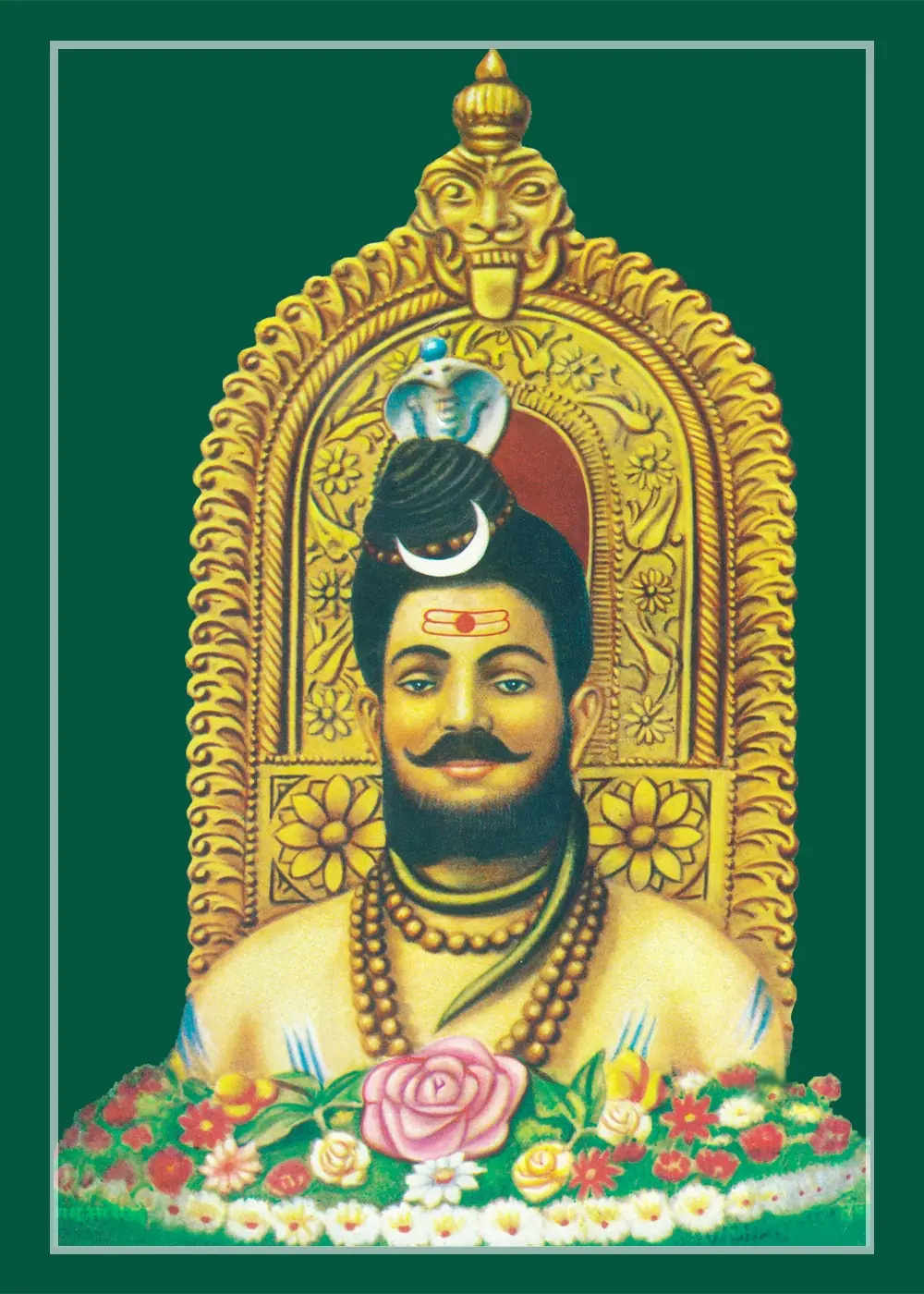
The Sri Saptakotishwar Temple is one of the oldest Shaivite temples in Goa, dating back to 1148–1179 CE under the Kadamba dynasty. Originally situated at Naroa on Divar Island, it functioned as the royal family shrine dedicated to Lord Shiva. Over centuries, the temple faced repeated invasions, including attacks in 1352 CE and severe destruction during Portuguese rule in 1541 CE, when idol worship was banned. To protect the sacred Atma-Ling, devotees concealed it. In 1549 CE, Narainrao Shenvi Suriarao (Sardesai) relocated the Ling to Narve (Hindale) across the Mandovi River, ensuring continuity of worship. Later, in 1668 CE, Chhatrapati Shivaji Maharaj ordered the construction of a grand temple at Narve, restoring its prominence.
The temple showcases a distinctive blend of rock-cut cave sanctum and later Maratha stone architecture. The Garbhagriha preserves the original laterite cave, forming the spiritual core of the shrine. Surrounding structures, including the Sabhamandap, were added during the 17th-century reconstruction. A prominent Deepstambh illuminates post-sunset rituals and festivals. The complex also features a large ritual lake (Talli) fed by natural freshwater springs. The circumambulatory path follows unique Shaivite traditions. Recent renovations uncovered hidden chambers, wells, and passages, highlighting the temple’s architectural sophistication.
Sri Saptakotishwar Temple is revered as one of the holiest Shaivite kshetras in the Konkan region. Tradition holds that Lord Shiva manifested here as an Atma-Ling after responding to the penance of the Sapta Rishis. The temple stands as a symbol of resilience and continuity of faith despite historical persecution. Centuries of uninterrupted worship reflect Goa’s deep spiritual heritage. Major observances such as Mahashivratri and Gokulashtami (Ashtamichi Jatra) draw large numbers of devotees. Today, it remains a vital pilgrimage center and forms part of Goa Tourism’s Ekadash Teerth Darshan circuit.
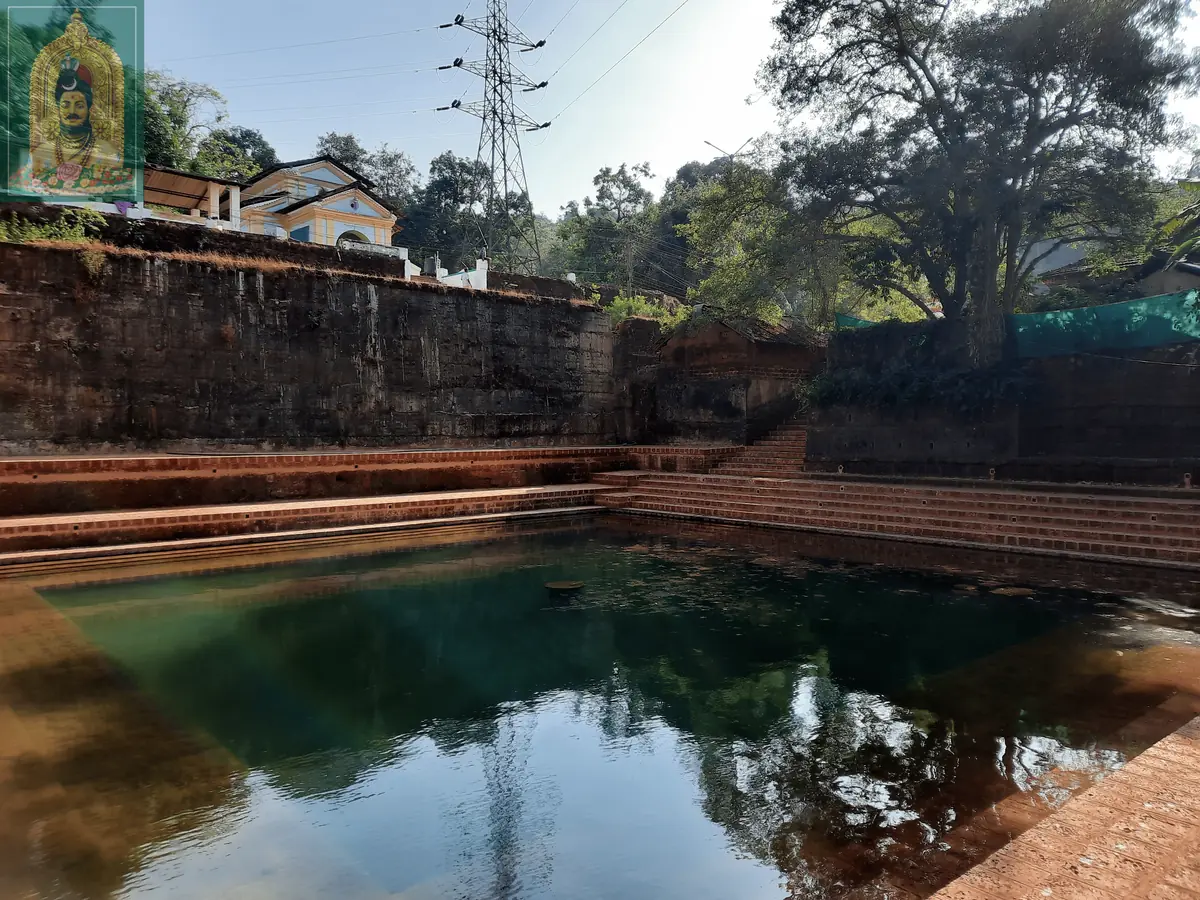
Temple Lake
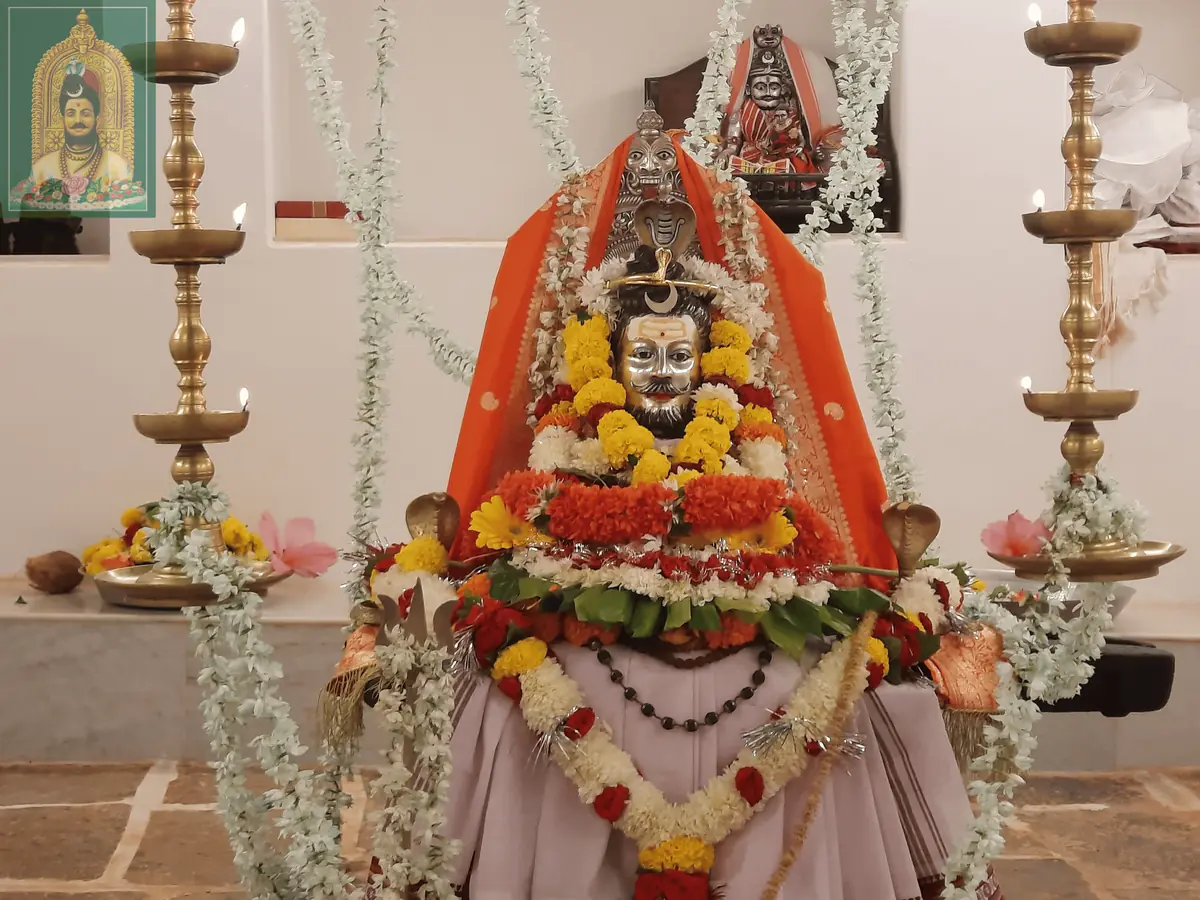
Sacred Deity
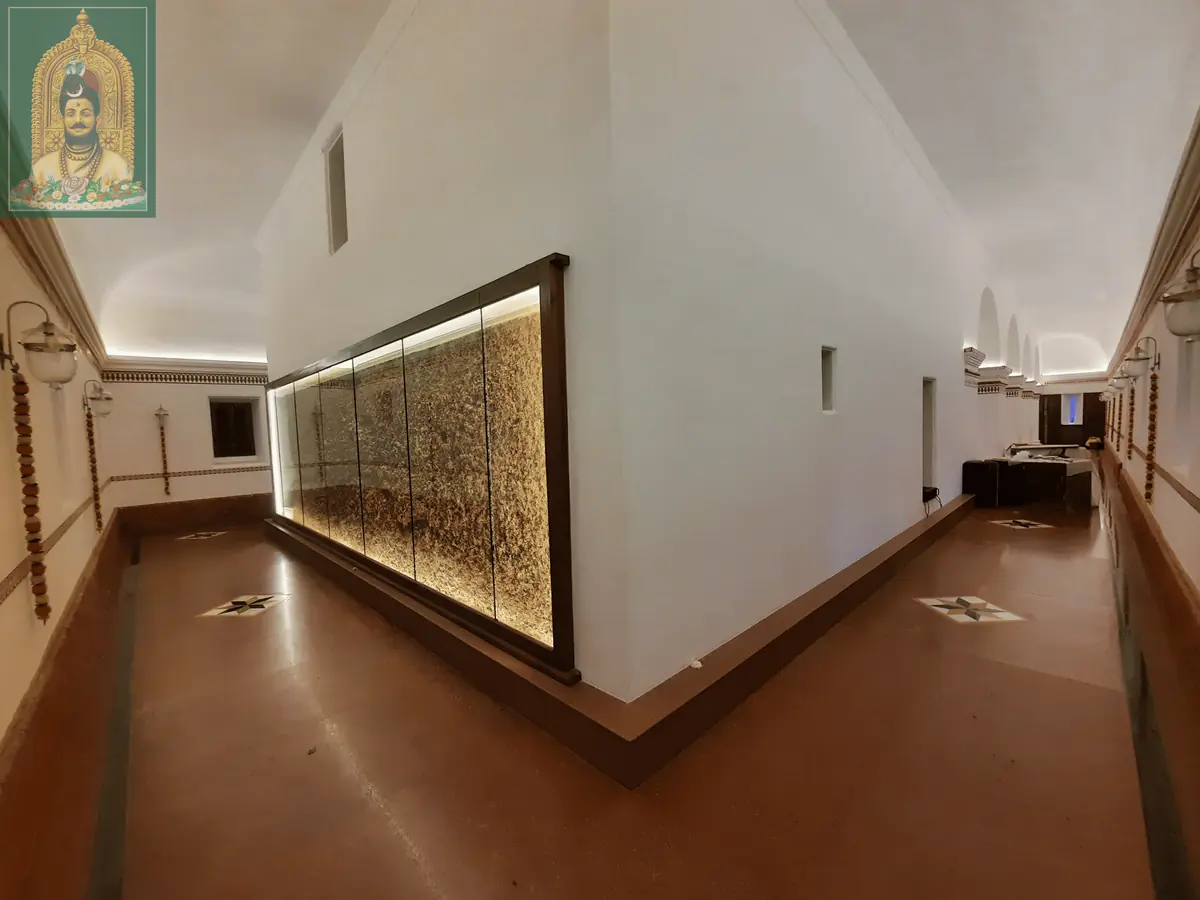
Temple South Passage